"Confronting our feelings and giving them appropriate expression always takes strength, not weakness." --Fred Rogers
How To Help Your Kids Regulate Their Emotions

Marc Brackett, founding director of the Yale Center for Emotional Intelligence, reflects on his own childhood struggles with unspoken emotions and argues that society teaches damaging lessons about feelings—especially self-criticism and emotional suppression. He believes one of the most harmful patterns people develop is negative self-talk, often rooted in early experiences of criticism or shame.
Brackett emphasizes that children (and adults) are frequently left alone with difficult emotions because society frames emotional expression as weakness. This isolation leads to rumination, suppression, and unhealthy coping strategies. Emotional regulation can be taught from a young age, helping children build a nuanced emotional vocabulary (e.g., distinguishing loneliness from exclusion or disappointment from hopelessness) and develop strategies for handling each feeling.
Emotional skills develop over time through continuous learning and practice—not quick fixes. Just as mastery in poetry or sports requires repetition, emotional regulation requires ongoing effort. Read more in this week's featured article from Greater Good magazine about how to help your kids learn to regulate their emotions.
Brackett emphasizes that children (and adults) are frequently left alone with difficult emotions because society frames emotional expression as weakness. This isolation leads to rumination, suppression, and unhealthy coping strategies. Emotional regulation can be taught from a young age, helping children build a nuanced emotional vocabulary (e.g., distinguishing loneliness from exclusion or disappointment from hopelessness) and develop strategies for handling each feeling.
Emotional skills develop over time through continuous learning and practice—not quick fixes. Just as mastery in poetry or sports requires repetition, emotional regulation requires ongoing effort. Read more in this week's featured article from Greater Good magazine about how to help your kids learn to regulate their emotions.
Reading Corner
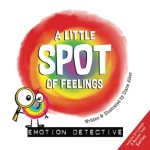
Title: A Little Spot Of Feelings: Emotion Detective
By: Diane Alber
Ages: 5-8
"Targeted to young children, this book will inspire kids to discuss and NAME their multitude of feelings in a kid-friendly way." --Publishers
By: Diane Alber
Ages: 5-8
"Targeted to young children, this book will inspire kids to discuss and NAME their multitude of feelings in a kid-friendly way." --Publishers
Recommended by Kindful Kids Editors
Be the Change
Watch this short video on how to help kids handle big emotions with love. Try it out the next time your little one has some big emotions.