"A child more than anyone else is a spontaneous observer of nature." --Maria Montessori
How To Raise An Environmentalist

As we enter the autumn season, temperatures are cooling, leaves are changing color, and kids are starting to miss the carefree days of summer. This may be the perfect opportunity to pause from the hectic calendar and take time together to enjoy nature.
In addition to the quality time together, science shows that a nature walk may be good for both of you: "Still, it seems that we would do no harm by simply making sure our kids get outside. Many studies have found that children, like adults, receive psychological and physical benefits from being exposed to nature, including better attention, self-discipline, and cognitive development, and decreased levels of stress. And helping kids to develop more mindfulness or empathy skills wouldn’t hurt either, given the research showing their positive impact on kids." [more]
In addition to the quality time together, science shows that a nature walk may be good for both of you: "Still, it seems that we would do no harm by simply making sure our kids get outside. Many studies have found that children, like adults, receive psychological and physical benefits from being exposed to nature, including better attention, self-discipline, and cognitive development, and decreased levels of stress. And helping kids to develop more mindfulness or empathy skills wouldn’t hurt either, given the research showing their positive impact on kids." [more]
Reading Corner
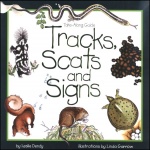
Title: Tracks, Scats and Signs
By: Leslie Dendy
Ages: 7-10
Why: "Become a nature detective with this illustrative, engaging and fun Take-Along-Guide. You may not know where to look, or what to look for, but animal signs are everywhere and this guide will help you learn how to read them. You'll learn how to spot and identify common clues that 17 wildlife species leave behind in the woods, in the fields and along ponds." --Publishers
By: Leslie Dendy
Ages: 7-10
Why: "Become a nature detective with this illustrative, engaging and fun Take-Along-Guide. You may not know where to look, or what to look for, but animal signs are everywhere and this guide will help you learn how to read them. You'll learn how to spot and identify common clues that 17 wildlife species leave behind in the woods, in the fields and along ponds." --Publishers
Recommended by Cubs Editors
Be the Change
Take a nature walk with your child. Try to look for signs on your walk that animals have been there before you and discuss what they might have been doing. Pay attention to the information coming in from all of your senses, and spend some of your time in silence just soaking it all in together.