"The way we talk to our children, becomes their inner voice." - Peggy O'Mara
Time Out Vs. Time In: What's The Difference?

"What is the difference between a time out and time in? Is one better than the other?
Sometimes positive discipline tools can seem similar to the traditional discipline tactics. Often people say it’s just semantics. What sets the positive tools apart from punitive discipline is not only the way in which they are presented to the child but also the intent (non punitive) and aim of the parents in using the tools.
Let’s look at the differences between time out and time in:" [read more]
Sometimes positive discipline tools can seem similar to the traditional discipline tactics. Often people say it’s just semantics. What sets the positive tools apart from punitive discipline is not only the way in which they are presented to the child but also the intent (non punitive) and aim of the parents in using the tools.
Let’s look at the differences between time out and time in:" [read more]
Reading Corner
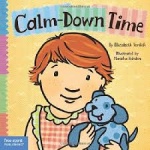
Title: Calm Down Time
By: Elizabeth Verdick
Ages: 1-3
"Every parent, caregiver—and toddler—knows the misery that comes with meltdowns and temper tantrums. Through rhythmic text and warm illustrations, this gentle, reassuring book offers toddlers simple tools to release strong feelings, express them, and calm themselves down. Children learn to use their calm-down place—a quiet space where they can cry, ask for a hug, sing to themselves, be rocked in a grown-up’s arms, talk about feelings, and breathe: “One, two, three . . . I’m calm as can be. I’m taking care of me.” After a break, toddlers will feel like new—and adults will, too. Books include tips for parents and caregivers." -- Publishers
By: Elizabeth Verdick
Ages: 1-3
"Every parent, caregiver—and toddler—knows the misery that comes with meltdowns and temper tantrums. Through rhythmic text and warm illustrations, this gentle, reassuring book offers toddlers simple tools to release strong feelings, express them, and calm themselves down. Children learn to use their calm-down place—a quiet space where they can cry, ask for a hug, sing to themselves, be rocked in a grown-up’s arms, talk about feelings, and breathe: “One, two, three . . . I’m calm as can be. I’m taking care of me.” After a break, toddlers will feel like new—and adults will, too. Books include tips for parents and caregivers." -- Publishers
Recommended by Cubs Editors
Be the Change
Parenting and Patience go hand in hand. Try reflecting on some of your regular Time-Out moments and see if there is anything that could be altered with the Time-In method. Time-Ins can be that extra effort into patience and that can be tough at times, but far more rewarding in the future.