|
Quote of the Week
"The most profound gift we can give our children is our own growth." -- Eli Harwood

Wes And Elijah Go Heart To Heart

Sometimes a child doesn't need us to fix the feeling. They need us to stay close enough to help them move through it.
"When you take a quiet moment to connect with children when they need it most, you both benefit! Close, loving moments help children manage big feelings and remind them that you care about their feelings.
And as you soothe your child, you’re also taking care of yourself by noticing your own emotions and how you handle them. When you model a comforting strategy, such as taking deep breaths and sharing a good, long hug, you’re both benefiting from it!
Watch this video in which Wes and his dad, Elijah, practice “co-regulation”, tuning in to your child’s needs, offering them what they need, and finding ways to connect that soothe both of you. They’re demonstrating how close physical contact with safe and trusted adults is so valuable to young children and their caring grown-ups." [Watch Video Here]
Reading Corner
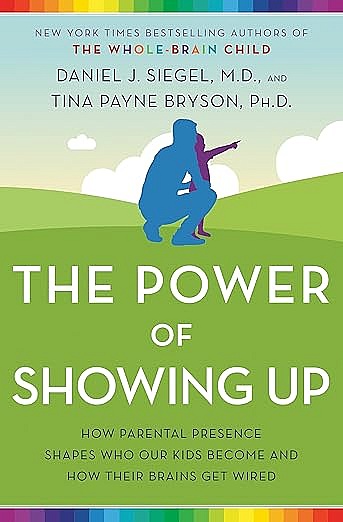 Title: The Power Of Showing Up
By: Daniel J. Siegel M.D., Tina Payne Bryson
Ages: Adults
"Parenting isn’t easy. Showing up is. Your greatest impact begins right where you are. Now the bestselling authors of The Whole-Brain Child and No-Drama Discipline explain what this means over the course of childhood.
One of the very best scientific predictors for how any child turns out—in terms of happiness, academic success, leadership skills, and meaningful relationships—is whether at least one adult in their life has consistently shown up for them. In an age of scheduling demands and digital distractions, showing up for your child might sound like a tall order. But as bestselling authors Daniel Siegel and Tina Payne Bryson reassuringly explain, it doesn’t take a lot of time, energy, or money. Instead, showing up means offering a quality of presence. And it’s simple to provide once you understand the four building blocks of a child’s healthy development. Every child needs to feel what Siegel and Bryson call the Four S’s:
• Safe: We can’t always insulate a child from injury or avoid doing something that leads to hurt feelings. But when we give a child a sense of safe harbor, she will be able to take the needed risks for growth and change.
• Seen: Truly seeing a child means we pay attention to his emotions—both positive and negative—and strive to attune to what’s happening in his mind beneath his behavior.
• Soothed: Soothing isn’t about providing a life of ease; it’s about teaching your child how to cope when life gets hard, and showing him that you’ll be there with him along the way. A soothed child knows that he’ll never have to suffer alone.
• Secure: When a child knows she can count on you, time and again, to show up—when you reliably provide safety, focus on seeing her, and soothe her in times of need, she will trust in a feeling of secure attachment. And thrive!
Based on the latest brain and attachment research, The Power of Showing Up shares stories, scripts, simple strategies, illustrations, and tips for honoring the Four S’s effectively in all kinds of situations—when our kids are struggling or when they are enjoying success; when we are consoling, disciplining, or arguing with them; and even when we are apologizing for the times we don’t show up for them. Demonstrating that mistakes and missteps are repairable and that it’s never too late to mend broken trust, this book is a powerful guide to cultivating your child’s healthy emotional landscape." -- Publishers
Recommended by Kindful Kids Editors
Be The Change
Be the calm you wish to see.
The next time a child is overwhelmed, notice your own response first. Take one slow breath, soften your voice, and choose connection before correction.
Kindful Kids newsletter is a resource for parents who are keen to teach children about compassion and service. It reaches 3,623 subscribers. You can unsubscribe here.
|