|
Quote of the Week
"A human being is a part of the whole called by us universe... He experiences himself... as something separated from the rest, a kind of optical delusion of his consciousness." - Albert Einstein

We Are Part Of Nature, So Let’s Act Like It
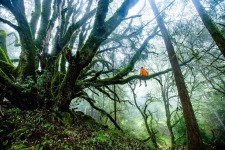
"The majority of us spend most of our time indoors and in urban spaces dominated by buildings, vehicles and other human-made infrastructure. When we think about and discuss ‘nature’ it is as something other, somewhere else: often as a place to visit for recreation and relaxation or an ecosystem that we must manage to provide food, clean water, fresh air and other ‘services.’
Taking the long view, this is not normal. It is only very recently in our evolutionary history that we have come to deny, by the ways we live and think, that we are part of nature. This denial is making us physically and mentally ill, and more self-centred and less accepting of others, and it’s diminishing our sense of meaning. It’s also setting us up to fail as we tackle climate change, ecological breakdown and other significant challenges.
The work of Jules Pretty and colleagues at the University of Essex reminds us that while our way of life has changed radically since modern humans evolved around 200,000 years ago, our bodies and brains are the same. Humans evolved in environments where the incidence of threatening situations, whether a venomous snake or attack by other groups, was actually very low. When we were threatened, just like other animals, our flight or fight response kicked in, raising our heart rate alongside other physiological changes.
In the modern world however, the part of our brain that responds to threat is endlessly over-stimulated by stress and anxiety. Our jobs are dominated by pressures to perform, with incessant deadlines and interruptions. Our commutes, whether by car or public transport, are a series of frustrations, antagonisms and delays. Meanwhile we are bombarded via our phones, computers, and TVs with news of disasters, wars, atrocities, hatred and political strife that stoke our fears.
As a result, in this modern world our ‘stone age’ bodies are constantly on the alert; the various stress-induced neurotransmitters and hormones are released far more often than is normal, affecting our guts, our immune system, our hearts and more. The solution is simple. We need to spend more time outside; the evidence of the benefits for health and wellbeing is widespread and longstanding."
This week's featured article shares many insights about how humans once lived in harmony as part of nature, when that thinking shifted and how we can reconnect with this mindset going forward. [Read Article]
Reading Corner
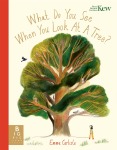 Title: What Do You See When You Look At a Tree?
By: Emma Carlisle
Ages: 3-8 years
"In association with the Royal Botanic Gardens, Kew, this wonderful picture book explores themes of empathy, mindfulness and personal growth through the eyes of a child. Beautifully written and illustrated by the award-winning artist Emma Carlisle, What Do You See When You Look At a Tree? urges readers to reconnect with nature by asking questions that encourage critical thinking and reflection on their own development, as well as helping to establish a deeper appreciation for the environment and their place within it. Mindfulness tips and information about trees are included at the back of the book for both adult and child to read together.
Stunning watercolour and hand-finished artwork draws parallels to the bestselling The Boy, The Mole, The Fox and The Horse, and evokes the classic nostalgia of E. H. Shephard's much-loved Winnie-the-Pooh." -- Publisher
Recommended by Kindful Editors
Be The Change
Talk with your child(ren) about ways your family lives in harmony with nature and ways it does not. Perhaps commit to one small action each of you can take to live in harmony with nature, fully accepting that you are a part of it.
Kindful Kids newsletter is a resource for parents who are keen to teach children about compassion and service. It reaches 3,632 subscribers. You can unsubscribe here.
|